Adaptation
The body responds to repeated demands when the demand, recovery, and timing are appropriate.
A guide to adaptation, fatigue, heart rate, strength, and the changing context of training after 35.
Published 26 January 2026 · Last reviewed 5 October 2026
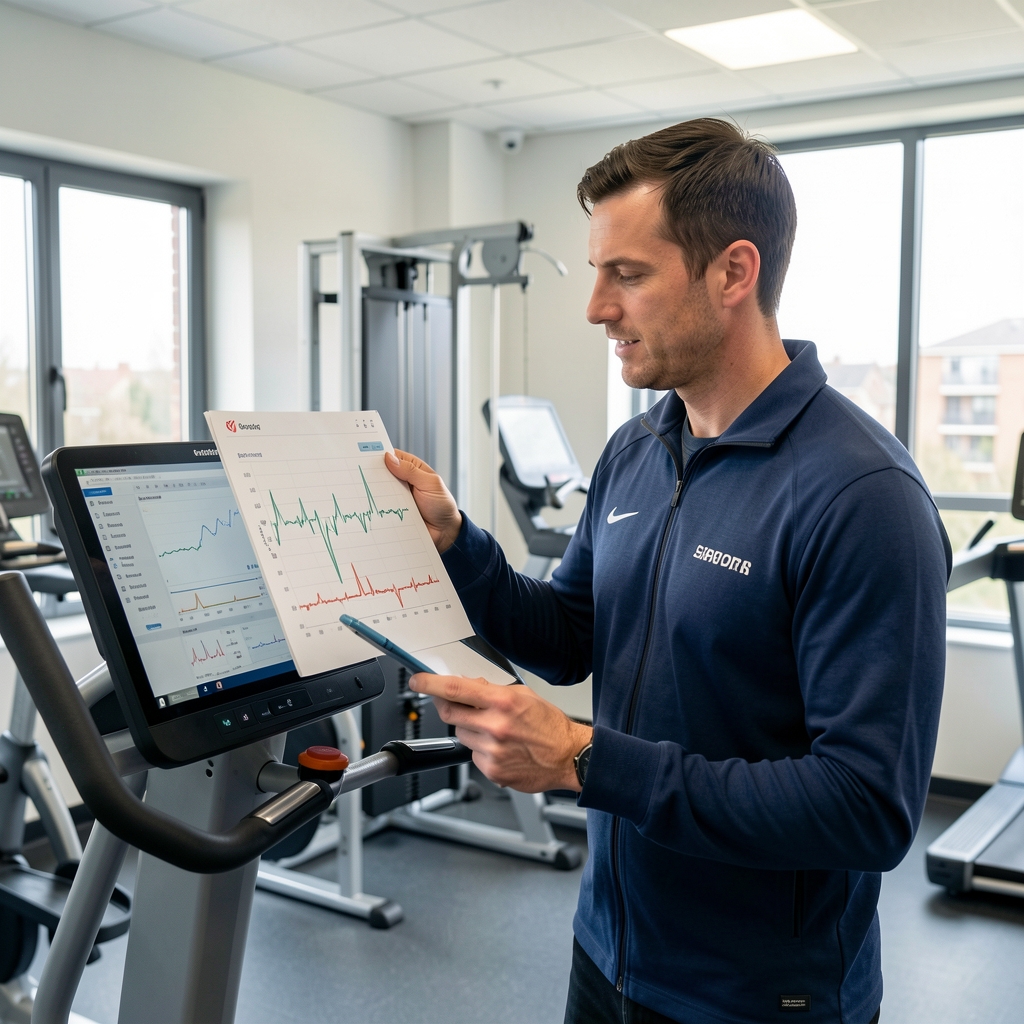

Physiology is a set of useful signals rather than a verdict. Resting heart rate, perceived effort, breathing, pace, and recovery each describe a different part of the picture. When considered together, they can help a reader notice patterns without turning ordinary variation into alarm.
Gorland separates general education from medical advice and encourages appropriate professional care for persistent or concerning symptoms.
The body responds to repeated demands when the demand, recovery, and timing are appropriate.
Perceived effort gives context that a watch or single number cannot provide on its own.
A session has practical value when it can fit inside a sustainable week.
Age, medication, climate, sleep, prior training, and health history all influence exercise response. Use published ideas as orientation, not as a substitute for a clinician who knows your circumstances.