
Read the physiology
Understand adaptation, aerobic thresholds, strength maintenance, and why the same session can feel different across a week.
Visit physiologyGorland brings together readable analysis of athletic physiology, cardiovascular endurance, functional training, recovery, and the practical context of staying active through midlife.
Explore our approach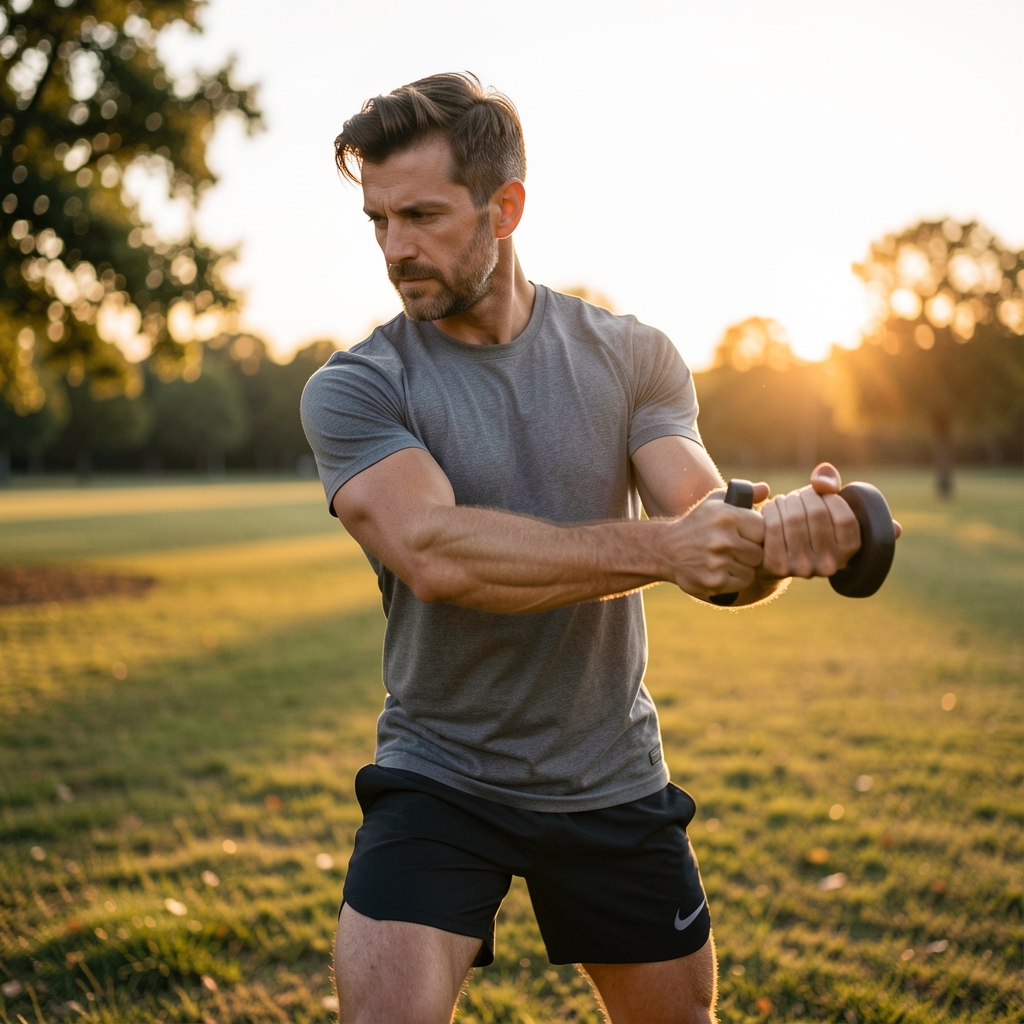
Training after 35 is not a contest of youthful intensity. It is an ongoing conversation between capacity, experience, sleep, work, family, and the signals your body provides. Our articles help readers ask better questions and interpret common training ideas with appropriate caution.
Understand adaptation, aerobic thresholds, strength maintenance, and why the same session can feel different across a week.
Visit physiology
Explore sustainable ways to develop cardiovascular capacity without turning every session into a test.
Read endurance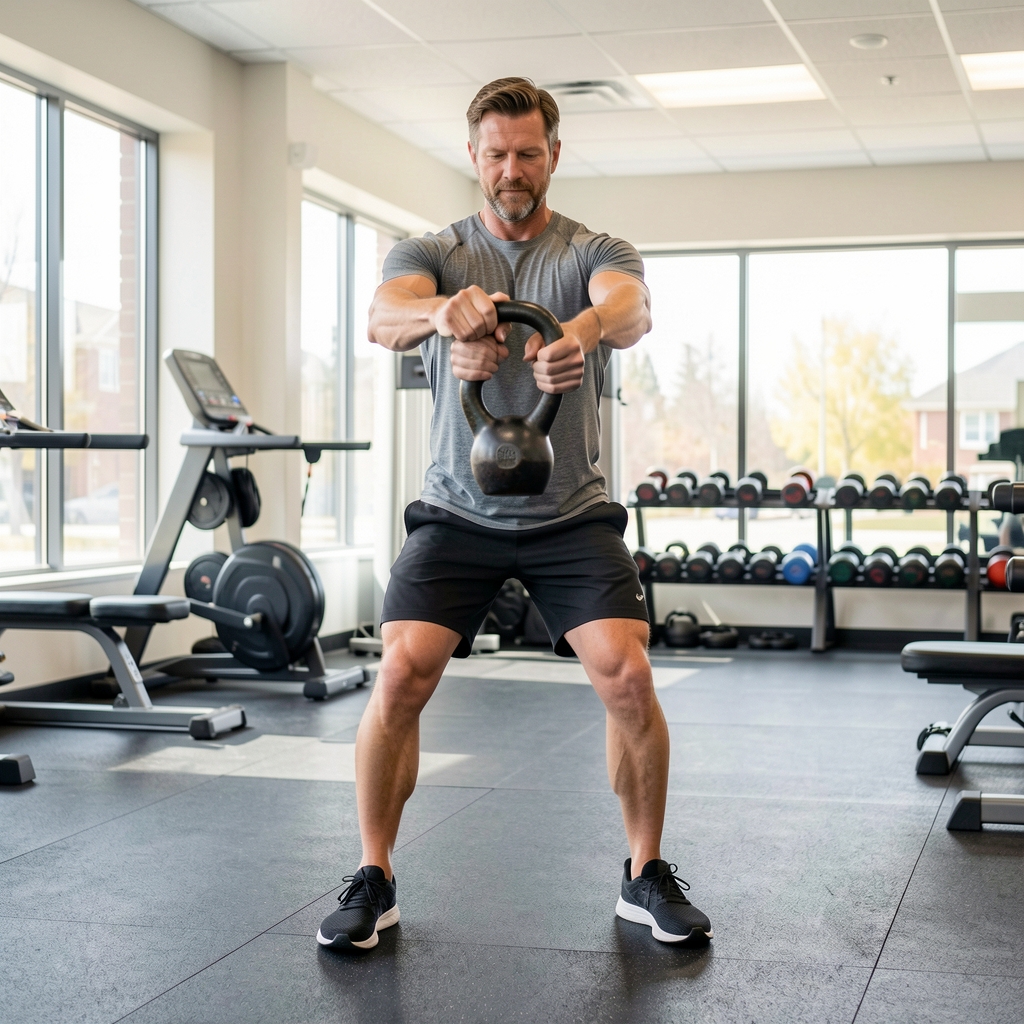
See how movement quality, strength, balance, and useful simplicity can coexist in a weekly plan.
See trainingthe life stage we write for
core editorial lenses
current review context
goal: clearer decisions

Sleep, mobility, food, stress, and the ability to repeat a useful session are not side notes. They are part of the performance picture. Gorland treats them as practical inputs rather than moral tests.
Read the recovery guideOur journal follows questions that arise in real training environments, from the office commute to the weekend trail.
Why lower-intensity work can make a demanding week more coherent.
12 September 2026A measured look at useful loading, technique, and progression.
28 August 2026Small movement choices that support training and ordinary life.
06 August 2026Our editorial focus did not appear all at once. It grew out of recurring questions from readers who trained seriously but no longer trusted one-size-fits-all advice written for younger competitors.
Early notes compared how recreational athletes over 35 described fatigue, recovery, and motivation compared with published guidance aimed at much younger populations.
Physiology, endurance, and functional training were separated into distinct sections so readers could follow a single thread without wading through unrelated material.
Recovery, mobility, and nutrition context were added after readers repeatedly asked how these areas connect to the sessions they were already doing.
Articles are revisited on a rolling basis so that language and framing stay aligned with how training conversations are actually happening this year.
| Approach | Primary Focus | Typical Weekly Pattern | Often Suits |
|---|---|---|---|
| Steady endurance work | Aerobic base, heart and lung capacity | 2–4 moderate sessions | Readers rebuilding a cardiovascular habit |
| Functional strength circuits | Multi-joint movement, balance, load tolerance | 2–3 sessions | Readers focused on daily-life capability |
| Mobility-focused sessions | Joint range, tissue quality, control | 3–5 short sessions | Readers managing stiffness or past strain |
| Mixed or hybrid programming | A blend of the above, rotated weekly | 3–4 sessions | Readers who prefer variety over repetition |
“Consistency is often a design problem before it is a motivation problem.”
— Editorial note, 2026
“A useful plan leaves room for the life around it.”
— Training notebook
“Progress should be visible in decisions, not only in numbers.”
— Gorland field notes
Gorland publishes general information for an adult audience interested in training and physiology. It does not replace guidance from a doctor, physiotherapist, or qualified coach who knows your history. If a change in training coincides with pain, dizziness, or anything unusual, that is worth raising with a health professional before continuing.
Editorial articles on physiology, endurance, functional training, recovery, mobility, and nutrition context, aimed at men over 35 who train with intent.
No. The site is an independent information resource. It does not sell programs, supplements, or coaching packages.
Articles move through a rolling review cycle described on our methodology page, with updates noted where framing has changed.
Mostly not. Our frame of reference is the recreational or semi-serious athlete balancing training with work and family life.
A small group of contributors shapes what Gorland publishes, each reading and writing from a slightly different angle on the same subject.

Editorial Lead. Oversees tone, accuracy, and how new topics are framed before publication.

Physiology Writer. Translates adaptation and training-response concepts into plain, careful language.

Training Correspondent. Observes sessions across community gyms and parks to ground articles in real routines.
Browse the guides, compare the concepts, and contact the editorial desk when a topic deserves closer attention.
Contact Gorland