Position
Can you establish a stable starting position without holding your breath or forcing a joint?
A grounded look at lifting, carrying, rotating, bracing, and moving with confidence through midlife.
Published 3 March 2026 · Last reviewed 5 October 2026
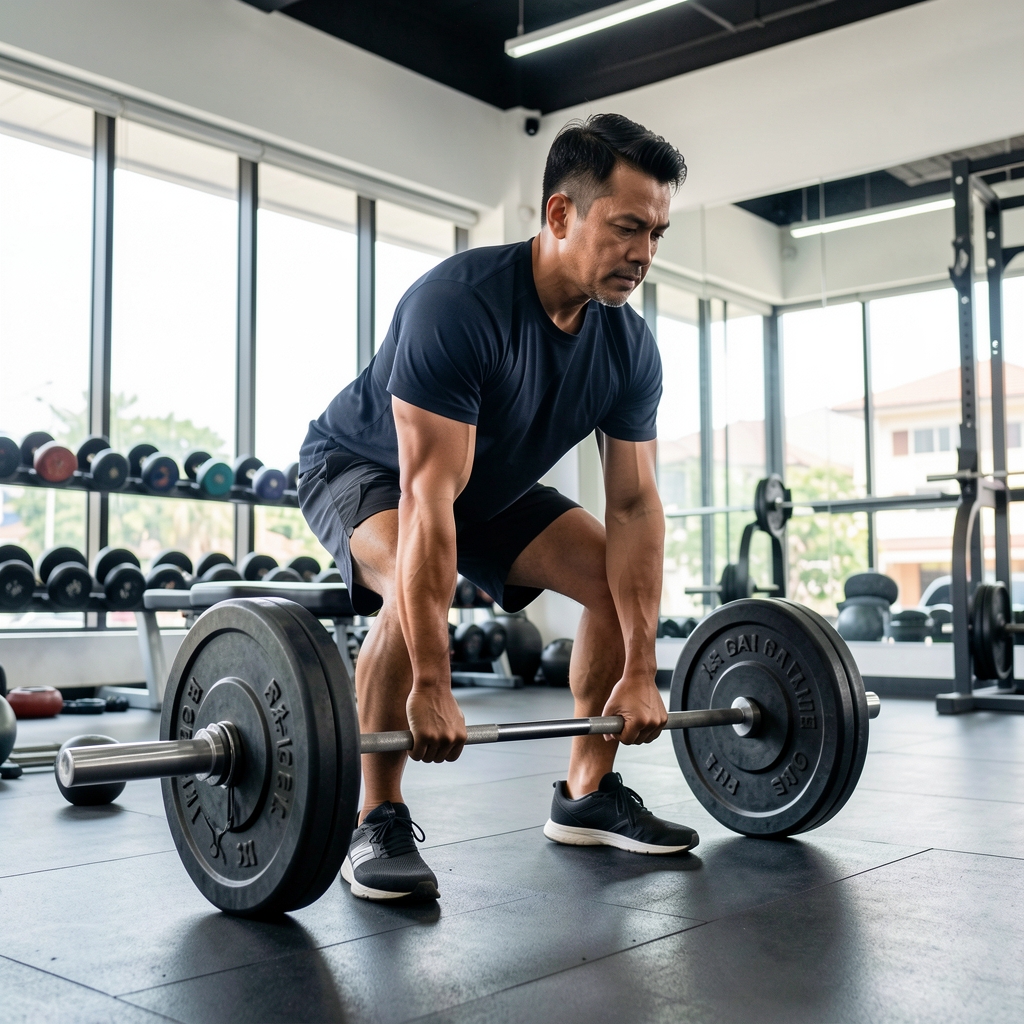
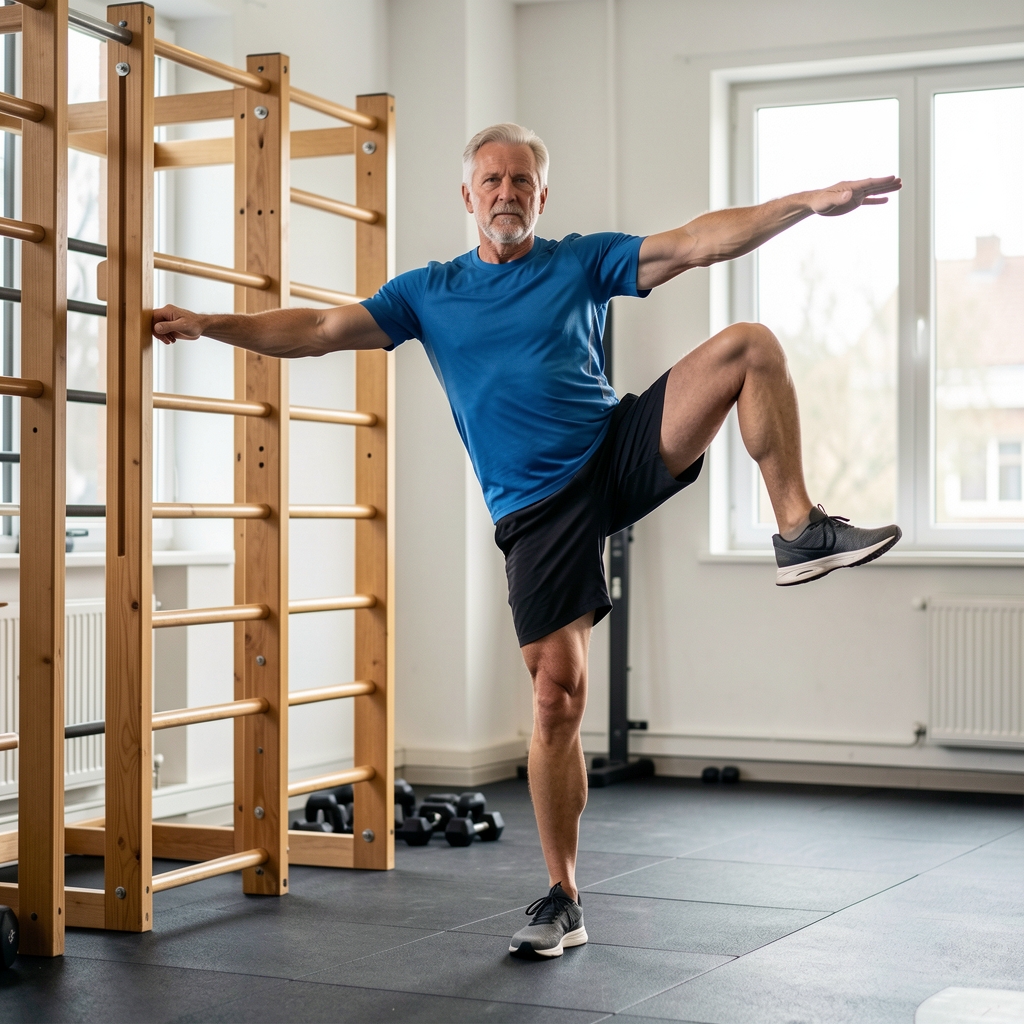
Functional does not mean one special exercise. It means asking what the movement should help you do: climb stairs, carry groceries, play with children, travel, or support another sport. The answer shapes the exercise selection.
Quality, range, control, and gradual loading matter more than theatrical complexity.
Can you establish a stable starting position without holding your breath or forcing a joint?
Can you slow the movement and keep the intended shape under a modest load?
Does the practice connect to a real task, sport, or personal goal?
A smoother repetition, less hesitation, and better recovery are meaningful changes. Keep the measurement proportional to the purpose of the session.